You may not have heard the name Alex Griffin, but if you’re into Grime music, then you should know about GRM Daily.
It is one of the leading websites in Grime and Hip-Hop in the UK, with over 1 million followers across all of its social media platforms. It is estimated to attract around 15,000 new followers per month on average.
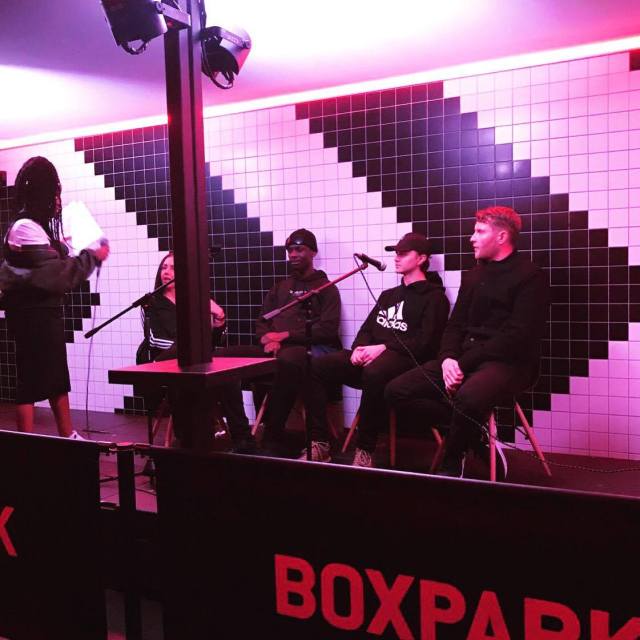
GRM Daily achieves this by regularly featuring interviews with the biggest names in the genre, Big Narstie and Mike Skinner to name a couple.
It is also the home of videos like Daily Duppy– a misleadingly titled series of rap freestyles from top artists such as Stormzy, Giggs, and Scrufizzer.
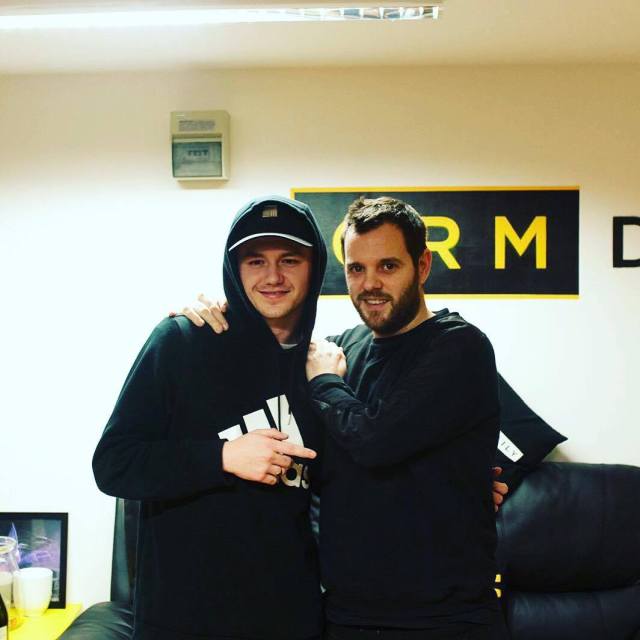
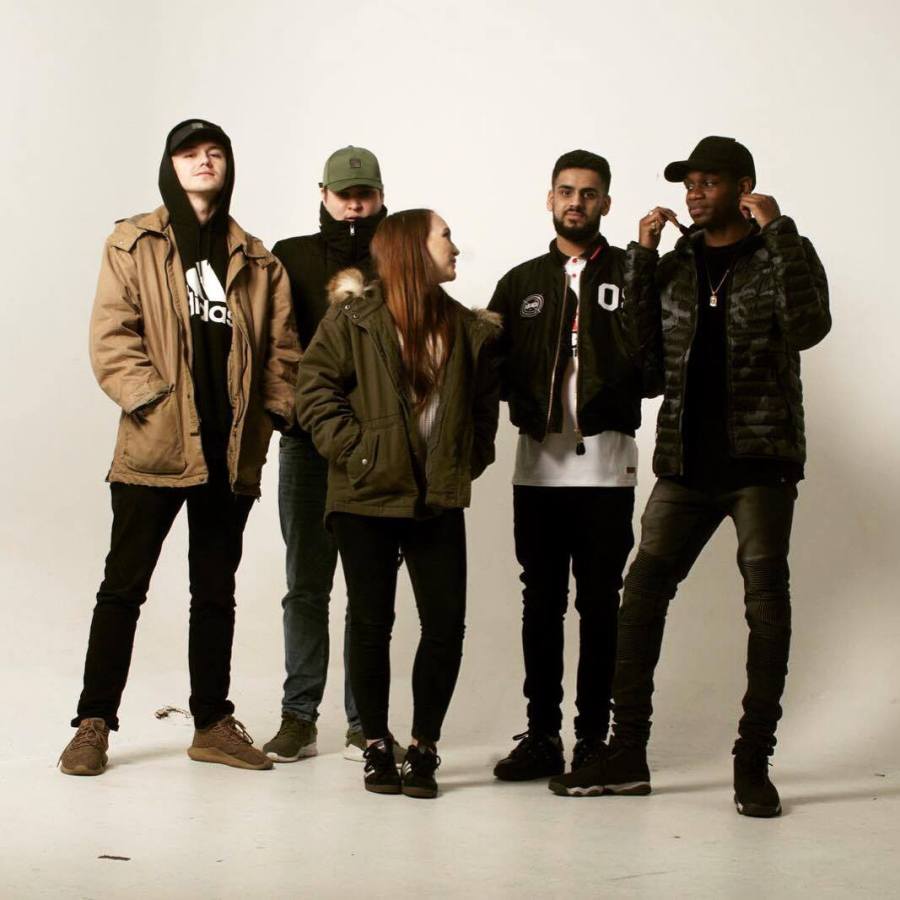
Bristol-born Alex Griffin recently became editor-in-chief of GRM Daily after having started as an unpaid contributor. In April last year, he was given his first paid role as a junior editor, before being promoted to co-editor.
“I just put myself in a position where they needed me,” Alex said, “and I applied myself to what they needed.
“Circumstance meant that the current editor was moving out into a different job, and they were trying to work out the best way to play it- so that’s why I was co-editor for a while.
“Eventually it got to the point where they were like, ‘you’re the only one doing that job, so you’re the editor’, and I was like, great.”
It wasn’t so long ago that Alex was cutting his teeth with a website called Mad Good Music, which expanded into a brand that ran music events in the South West.
Much like GRM Daily, Mad Good Music focussed reporting within the fields of Grime and Hip-Hop, whilst also promoting smaller local artists from around the university.
The website saw a degree of success, especially after a run-in with Example in its infancy:
“The first time I got proper views was when Example cussed me, because I cussed him in an article, saying he had a shit album, because it wasn’t a very good album. He didn’t like it.”
Alex had tweeted his article about the top-10 most disappointing albums in 2013, including an unfavourable write-up of The Evolution of Man, to Example. ‘Hey Example, your album made it onto our top-ten list of most disappointing albums this year’, the tweet read.
Alex remembered. “Yeah, and he said, ‘Well done, you’re on the top ten blogs nobody reads…’
“I mean, it was a fair assessment at the time.”

At Mad Good’s height in 2015, the website was pulling in up to 1,000 visitors per day. Today, the website is no longer online, as Alex has directed his energies towards his career in GRM Daily.
“I dunno,” Alex said, a little sadly. “I always said it was on hiatus and it’s something that I keep close to me, and I would love to pick it up again one day.
“Just being 100 per cent honest with you, it wasn’t making me money. I had too much work to do, it was like one step forwards and ten steps back.
“I felt like I needed to cement myself as a person in a career, before I could bring up a whole business with me… It was pulling me down a little bit.”
I was also downhearted to see Mad Good Music taken off the internet. I was there for its inception. Back in 2013, Alex and myself were living in a flat together, attending Falmouth University.
I remember very well when Example called Alex out, and ironically ignited Mad Good. I also remember the events that Mad Good Music used to run, including a musical variety night that took place in a hip hairdresser’s in the town centre.
Around that time, in no small part thanks to a strong and vibrant alternative music scene active in Cornwall, we used to party.
A lot.
But while as I struggled to keep a tankful of fish alive in between hangovers and deadlines, Alex managed to pro-actively maintain and cultivate an impressive media following for his website and his projects.
This will be the first year that GRM Daily will be under his steering, so I asked him what the future held for the brand:
“There is loads of stuff…I can’t give you too much details… but there’s loads to look out for, we’re going to be very present this year… it’s going to be a cold summer, boy!”
Alex also pointed me towards his new sub-brand on the website called Go Left. It goes back to his roots in many ways, seeking out and featuring alternative Grime, Hip-Hop and R&B acts and artists and giving them a platform.
“I’m going to be doing a couple radio show takeovers, so all that’s coming soon.”
 I decided to finish on a question I usually reserve for political interviews.
Grime and Hip-Hop are in many ways a voice of protest from disenfranchised masses.
Recently, many people have cynically remarked how recent political upheaval (the rise of the alt-right, Brexit, Trump, etc.) will create a golden age for satirical journalists.
Could it also provide a stimulus for a new wave of politically conscious Grime and Hip-Hop?
“I don’t think [Brexit, Trump, etc. are] going to dramatically affect the content. Everyone’s not just going to go on a rager, they’re still going to make fun music and have a laugh.
“But- it would be stupid to think it’s not going to have an effect. Especially in America, with Trump, there’s going to be constant references and stuff.
“Over here? I guess… music always reflects what’s going on in society one way or another… Grime is compared to Punk Rock a lot these days, because it’s got a lot of the same drive behind it.
“MCs are bound to speak out about the referendum… that anti-establishment energy has always been there. This just gives people something to talk about.”
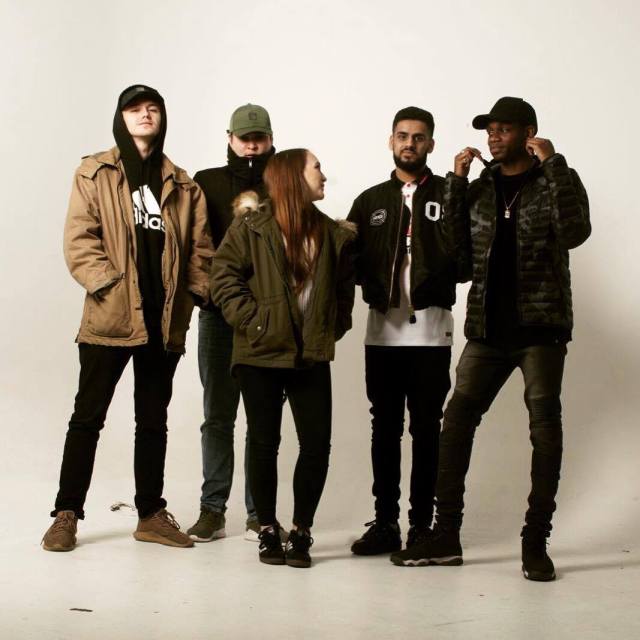
Images courtesy of Alex Griffin
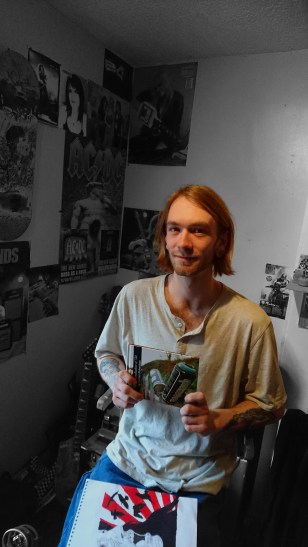
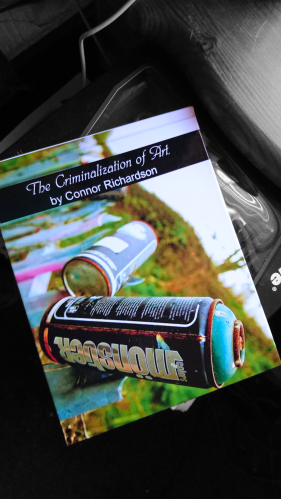
 Cut for Stone